Learn about flight paths and aircraft movements in your area
Welcome to the Aircraft in Your Neighborhood Portal
Our goal is that you will learn more about the flight paths and aircraft movements in your area and be able to access the information and resources that explain how air traffic is managed.
First, please select your location using one of the following options, so that we can customize the information for your location.
We’ll remember your location so you don’t have to enter it every time you visit the site and we’ll keep this information confidential.
Please note, that this site works best on Chrome, Firefox and Edge.
* Mandatory - Select region first to view the map.
During non-daylight saving periods you may notice some aircraft arriving in the early morning between 5.00am and 6.00am.
While the curfew ends at 6.00am, under the curfew regulations the Department of Infrastructure, Transport, Cities and Regional Development may permit a limited number of passenger flights to land between 5.00am and 6.00am during non-daylight-saving periods. When daylight saving is in place these flights arrive after the curfew ends at 6.00am, but when clocks are turned back at the end of daylight saving they arrive an hour earlier. These flights generally originate from ports where curfews prevent them leaving later.
These early morning flights are required to land from the south, over the water. However they may fly over land as they travel to cross the coast and join the final approach.
An arrival burst of long-haul international flights tends to occur just after the curfew ends at 6am.
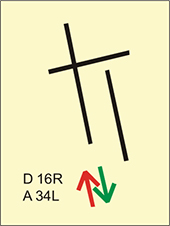
Heavy jets, especially those flying long-haul routes, require the use of the westernmost parallel runway for landing, (Runway 16 Right), because it is the longest runway. The extra length is needed for a safe landing. For this reason residents in suburbs around the flight path to this runway are likely to notice increased movements in the hour immediately after the curfew.
A departure burst of long-haul international flights tends to occur in the last two hours before the Sydney Airport curfew begins.
Heavy jets, especially those flying long-haul routes, require the use of the westernmost parallel runway (Runway 34 Left) because it is the longest runway. The extra length is needed for a safe take-off. For this reason residents in suburbs under flight paths from this runway are likely to notice increased movements in the hour before the curfew.
You may notice that these heavily laden jets tend to climb more slowly than lighter aircraft.
It is a common misconception that noise sharing means that flight paths are varied. This is not the case. Using the same standard flight paths is vital for safety, particularly at very busy airports like Sydney, because they reduce complexity for pilots and air traffic controllers. If a different flight path was used for every flight it would be very complex to ensure aircraft remained safely separated, and there would be a high possibility of confusion and error.
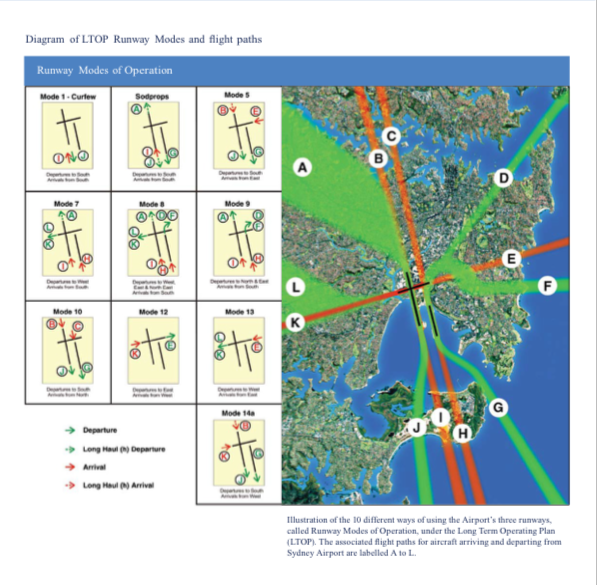
While flight paths themselves are not varied, there are different flight paths for each runway, each of which will affect a different part of the community. Because aircraft need to land and take off into the wind, the runway used generally will be the one that best suits the wind direction at the time. As the wind and other conditions change, the runway configuration or “mode” may also change, bringing a different set of standard flight paths into use. This has the effect of sharing the noise.
Peak period modes
Mode 9
Mode 10
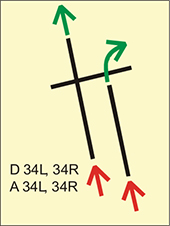
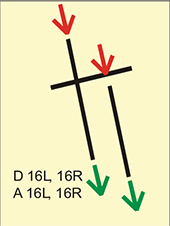
Modes 9 and 10 utilise both parallel runways at the same time. Mode 9 is a flow towards the north and Mode 10 is a flow towards the south.
During peak periods one of these parallel runway modes will always be used whenever the wind permits because using two runways at once enables the most traffic to be moved through the airport. The peak periods are generally from 7:00 – 11:00am and 3:00 – 8:00pm but may extend beyond these hours.
Noise sharing modes
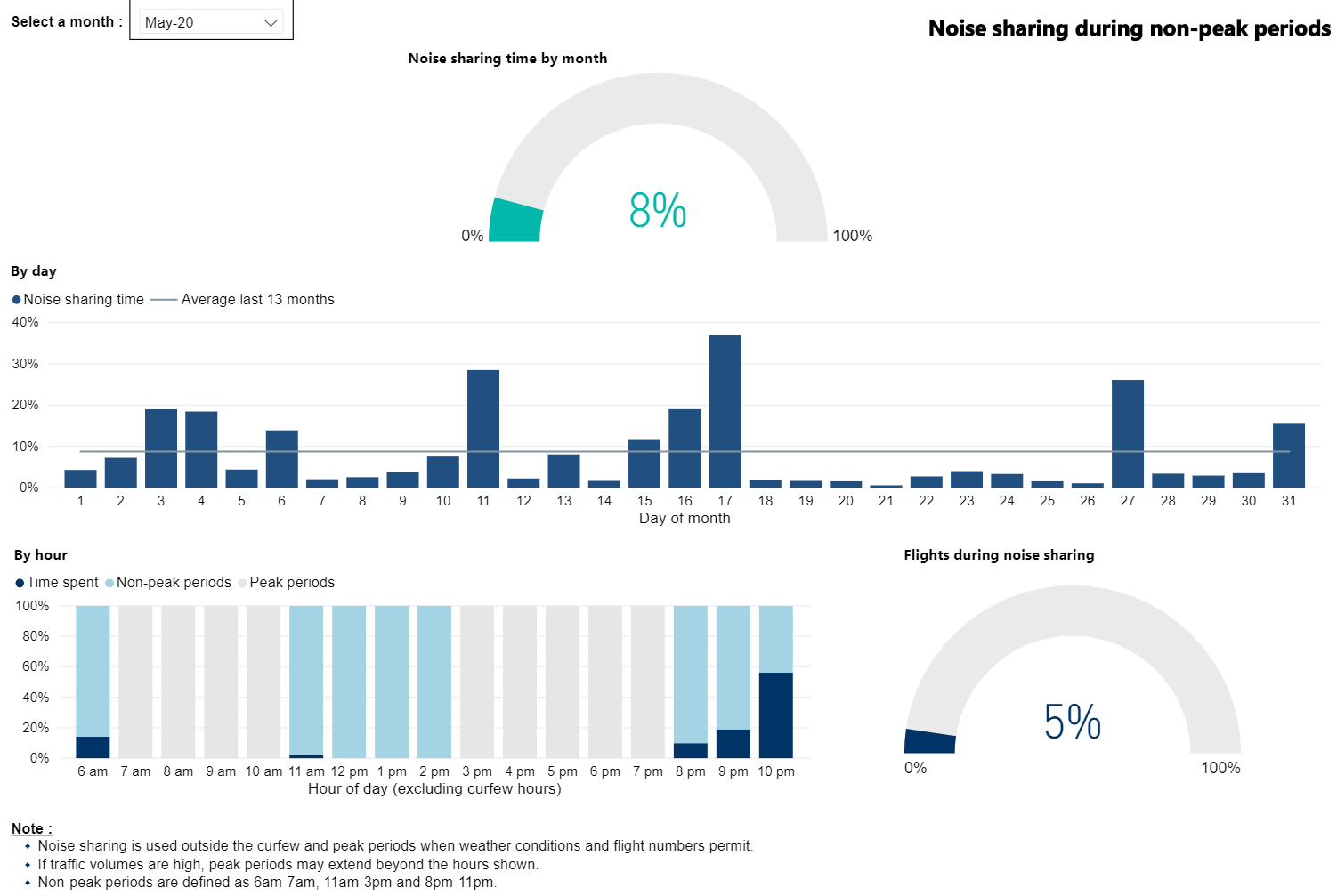
During non-peak times for the airport air traffic controllers must implement a “noise sharing mode” whenever it is possible to do so according to the wind conditions and other factors. Non-peak times for the Airport are generally 6:00 – 7:00am, 11:00am – 3:00pm, 8:00pm – curfew.
Noise sharing modes generally use the east-west runway and the parallel runways. The modes that utilise the east-west runway can only be used when traffic volumes are low. This is because the east-west runway crosses both the parallel runways; the need for aircraft to cross active runways slows down operations significantly and in busy periods this would result in delays and holding in the air.
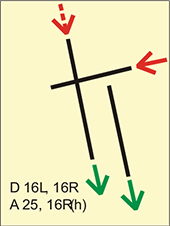
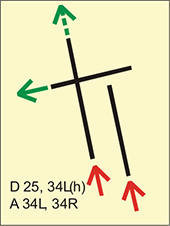
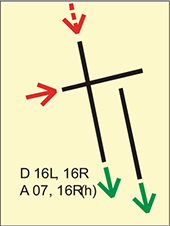
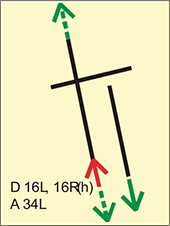
For all the noise sharing modes there is an option for pilots of heavy jets to request use of the longer westernmost parallel runway. In the images below this option is represented by dotted lines.
Mode 5
Mode 5
In Mode 5 the east-west runway is used for arrivals from the east and the parallel runways are used for departures towards the south.
Due to seasonal wind conditions, use of Mode 5 tends to rise as the weather cools.
Mode 7
Mode 7
In Mode 7 the parallel runways are used for arrivals from the south and the east-west runway is used for departures towards the west.
Wind conditions in the cooler months tend to favour the use of Mode 7 and it is generally used more frequently at that time of year.
Mode 14a
In Mode 14a the east-west runway is used for arrivals from the west and the parallel runways are used for departures towards the south, over the bay.
Mode 14a tends to be used more frequently in the warmer months due to favourable wind conditions.
SODPROPS
Simultaneous Opposite Direction Parallel Runway Operations
In Simultaneous Opposite Direction Parallel Runway Operations, (SODPROPS), aircraft arrive and depart over the bay. Arrivals use the westernmost parallel runway and departures use the easternmost parallel runway. This mode is the preferred noise sharing mode, however it can only be used when the wind and weather conditions are exactly right with maximum visibility for pilots and air traffic controllers in the Tower.
East-west runway only modes
Mode 12
Mode 13
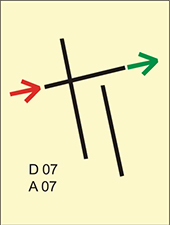
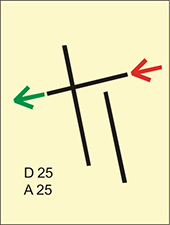
Modes 12 and 13 are used when the wind conditions preclude use of the parallel runways because the crosswind exceeds safety limits. If there is a very strong westerly wind, Mode 13 is used. If there is a very strong easterly wind, Mode 12 is used.
When one of these modes has to be used for extended periods it limits the amount of aircraft that can be moved through the airport. This results in delays which can have a cascading effect around the country.
Curfew mode
Curfew mode
During the curfew, aircraft permitted to use the airport must arrive and depart from the westernmost runway. Emergency medical flights are exempt from this requirement and may use whichever runway will expedite their flight.
There is no legislation or regulation that restricts the number of flights that can fly over an area.
Sydney Airport has a legislated cap on movements that restricts the number of flights to a maximum of eighty per hour. This includes both arrivals and departures.
Airservices is charged with implementing this cap by counting movements per hour on a rolling 15-minute basis. If the cap is at risk of being exceeded air traffic controllers will take actions such as holding aircraft in the air or on the ground, to arrive or depart in the next hour.
The movement cap applies only to Sydney Airport. There is no limitation on the number of flights that can use other airports around Australia.
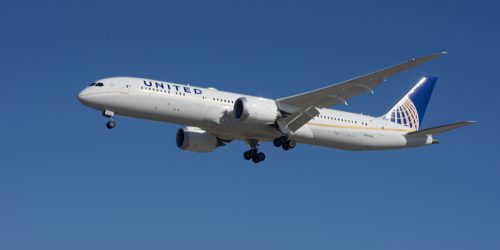
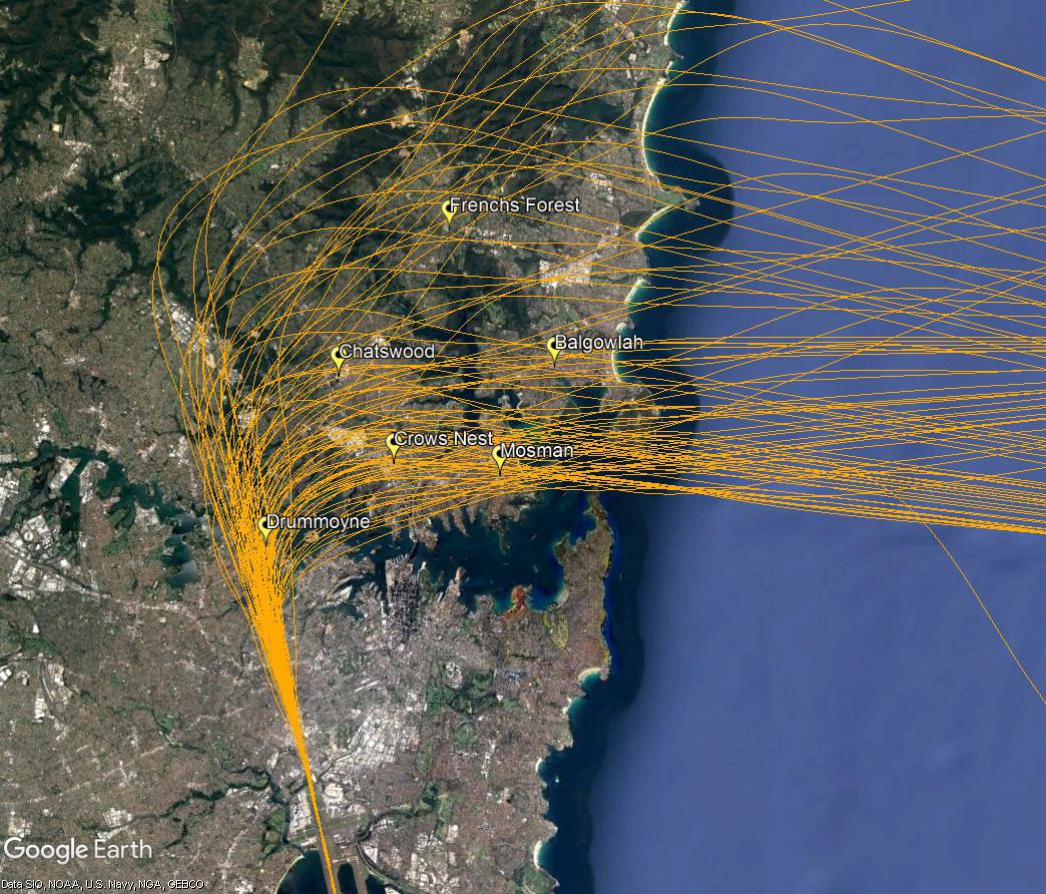
On occasion heavy jets bound for destinations in the United States will pass over your area after departure.
Heavy jets need to use the westernmost parallel runway because it is longer. After departing towards the north from the westernmost parallel runway, aircraft bound for the USA usually turn and track to the west once they reach 1,500 feet. At twelve nautical miles they turn to the north east to track out across the coast. These outbound aircraft need to pass over inbound traffic that is flying south down the coast. For this to occur safely the outbound jets must have reached a specified altitude. However some very large aircraft on non-stop flights are so heavily laden with fuel that their climb performance is affected and they cannot reach the required altitude in time.
When this is the case the aircraft is provided with a “radar departure”, where air traffic control provide a specific heading to ensure the aircraft can pass safely through the inbound traffic. This means these aircraft fly a different route than would normally be expected, including passing over different suburbs. The route will vary for each individual aircraft depending on what other traffic is in the airspace at the time. This creates a spread across suburbs to the north of the airport.
Because there are only a small number of these flights each day, and because the suburbs overflown by each aircraft vary, residents may notice these flights as unusual for their areas.
The image below of actual aircraft tracks shows a month of flights and illustrates the spread across many suburbs.
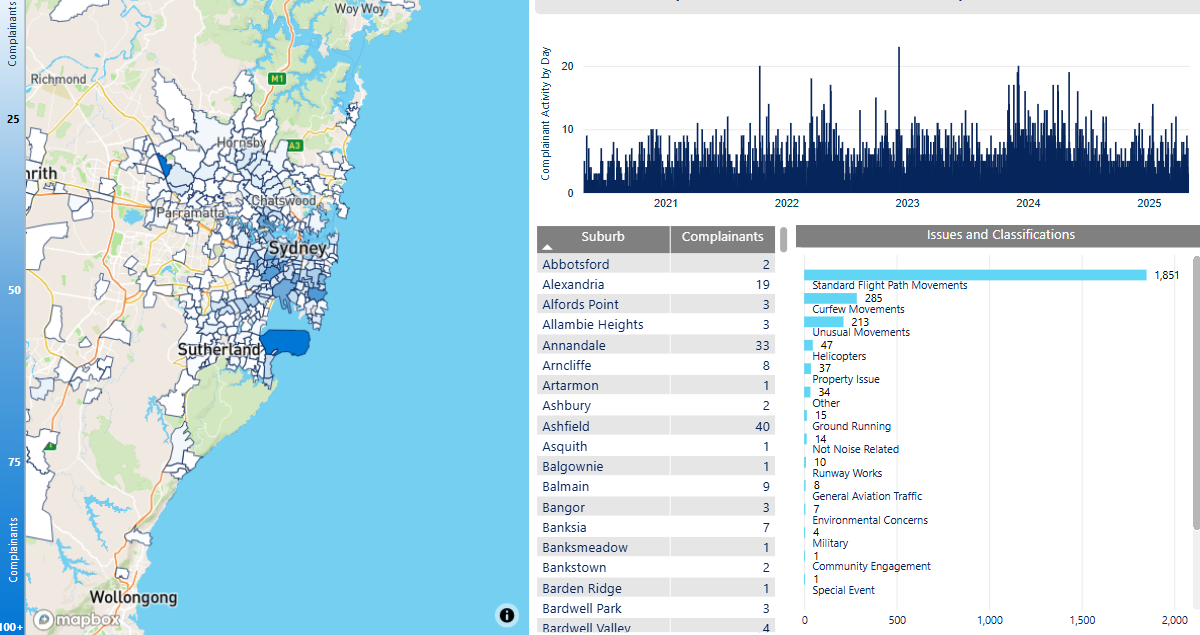
We manage complaints and enquiries about aircraft noise and operations through our Noise Complaints and Information Service (NCIS). The information below is collected for the purpose of complaint management, analysis of issues and identification of causal factors.
For this reason we refer to ‘complainants’ and ‘issues’. Complainants are people who contacted us. While some people submitted enquiries or comments rather than complaints, all are referred to as “complainants”. Issues are the primary concern they raised.
The complaints report
Use this interactive tool to explore the issues raised by residents from different suburbs. For help, click the button in the bottom right-hand corner.