Canberra Airport NAP 2: Preferred Flight Paths

The NAP lists the preferred flight paths as:

2.1 Noise Abatement Area

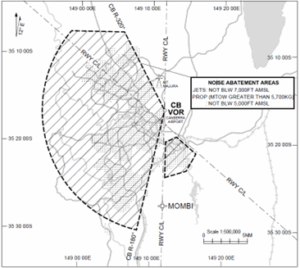
A designated Noise Abatement Area covers most of Canberra and Queanbeyan.

Preferred routing avoids this area whenever possible.

If aircraft must fly over the area:

  • Jet aircraft must stay above 7,000 feet AMSL.
  • Propeller aircraft over 5,700 kg maximum take-off weight must stay above 5,000 feet AMSL.

Note:  The Noise Abatement Areas do not apply to:
* Emergency or medical priority operations.
* Operations avoiding hazardous weather.
* TWR circuit training operations
* Unplanned missed approach operations

(2.1.b) All hours – aircraft with minimum altitude

We have become aware of an error in the reporting of this NAP as the height of the aircraft was calculated using the height above ground rather than the height above mean sea level as stated in the NAP. We have corrected the results and backdated these to correct the error.  


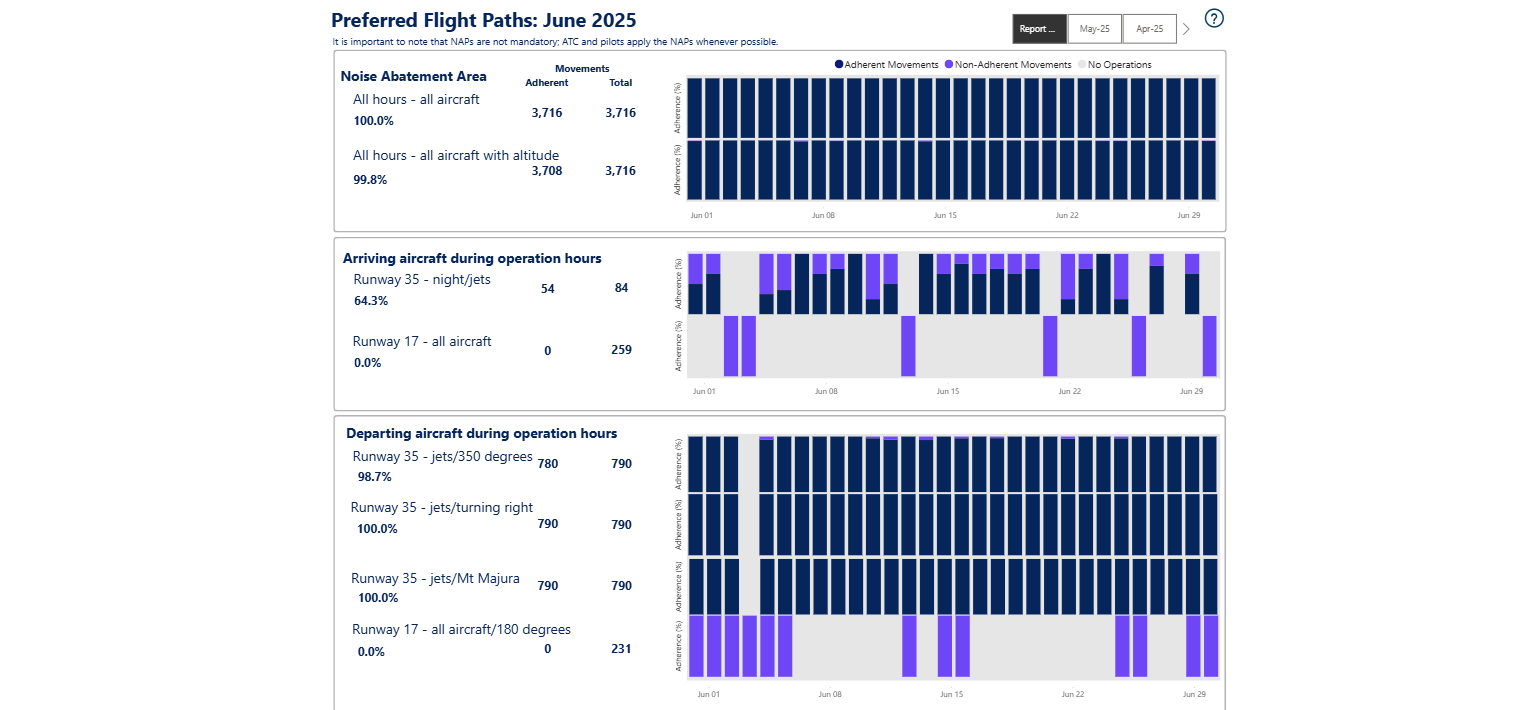
Adherence with this procedure is reported below.
2.2 and 2.3 Arrivals

Runways 35, 17, 30 and 12

  • 2.2.a: Runway 35: At night: jets will be vectored to be on final approach no closer than MOMBI.
  • 2.2.b: Runway 17: Aircraft on right base will be vectored to be on final approach no closer than 4 DME CB.
  • 2.2.c: No specific procedures apply.
  • 2.3.a: Runway 35 or 17: IFR aircraft required to conduct a straight-in approach.
  • 2.3.b: No specific procedures apply.
  • 2.3.c: Data not available

Adherence with this procedure is reported below.
2.4 and 2.5 Departures

Runway 35 Departures

  • 2.4.a.1: Jets will usually be assigned a heading of 350° after take-off.
  • 2.4.a.2: Jets turning right must climb to at least 4,500 feet before turning.
  • 2.4.a.3: Jets turning left must pass Mt Majura before starting the turn.
  • 2.5.a.1: Jets will usually be assigned a heading of 353° (SID).
  • 2.5.a.2: Jets must climb to at least 5,000 feet before turning.

Adherence with this procedure is reported below.
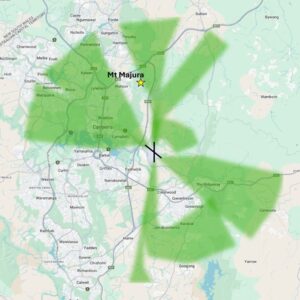
Runway 17 and 30 Departures

  • 2.4.b: Runway 17: Heading of 180 degrees until clear of Noise Abatement Area.
  • 2.5.b: Runway 17: Follow SID.

Adherence with this procedure is reported below.

NAPs not currently reported on

Reporting options are currently under review for the following NAPs, where data is not currently available.

  • 2.2.d: Pilot requirement for landing runway 12 during tower hours.
  • 2.3.c: Pilot requirement for landing runway 12 outside tower hours.
  • 2.4.c: Pilot requirement for departure runway 30 during tower hours.
  • 2.4.d: Pilot requirement for departure runway 12 during tower hours.
  • 2.5.c: Pilot requirement for departure runway 30 outside tower hours.

The report below provides the percentage adherence against the NAP criteria for preferred flight paths.

The report is best viewed in full screen mode.

Note: Due to rounding, percentage values may not sum to exactly 100.0%. Minor discrepancies of up to ±1% are expected and do not indicate any errors in the underlying absolute figures, which remain accurate and unaffected.
When is each flight path used?

Flight paths are not precise, defined paths like runways, but more like corridors that are often several kilometres wide.

Arrivals

Arriving aircraft will line up with the runway centreline and fly straight in on the runway heading. Aircraft will approach Canberra from all directions before they join the final approach path. Jet aircraft will join the final approach between 15 and 25 kilometres from Canberra Airport and fly towards the runway in a straight line. Jet aircraft will generally be at altitudes from 3000 to 4000 feet when they join the final approach. There is no minimum altitude for aircraft in the process of landing. Aircraft will generally descend on a glide slope of three degrees.

Departures

Departing jets will generally maintain a straight line from the runway for around 15 kilometres before turning to their heading.

The altitude of aircraft after departure will depend on factors such as the type of aircraft and its weight, how heavily laden it is with fuel and passengers, and the atmospheric conditions at the time. All these factors affect an aircraft’s climb rate. There is no regulated minimum altitude for an aircraft in the process of taking off.

Smart Tracking

A growing number of modern aircraft are now fitted with navigation systems that use satellite-assisted guidance which allow aircraft to fly with a higher degree of accuracy and more closely follow the same route as other aircraft. Airservices refers to these routes as ‘Smart Tracking’. Smart Tracking technology makes air travel safer, cleaner and more dependable. It also has the potential to improve noise outcomes for communities living close to airports.

Flight path information

You can access historical information about flight path use through WebTrak. To access this information click the “Historical” link below the text in the Quick Start Guide at the top left-hand side of the screen. Then use the tick boxes at the bottom-right of the screen to select monthly, quarterly or yearly information. Use the sliders to refine your selection to specific timeframes.

Canberra Airport Flight Paths

Canberra Airport has a number of flight paths from its runway.

To learn more about the runway at Canberra Airport, take a look at our Canberra Airport Runway page.

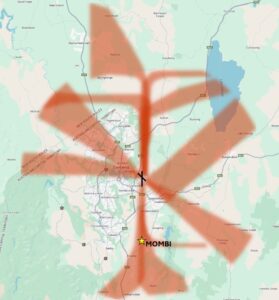
The illustration below shows how jet and non-jet (turbo-prop) aircraft typically operate at Canberra Airport on the published instrument arrival and departure flight paths.

The animation is indicative only and provided for information purposes, on occasions flights may leave these general areas from time-to-time.

Canberra Airport Runways

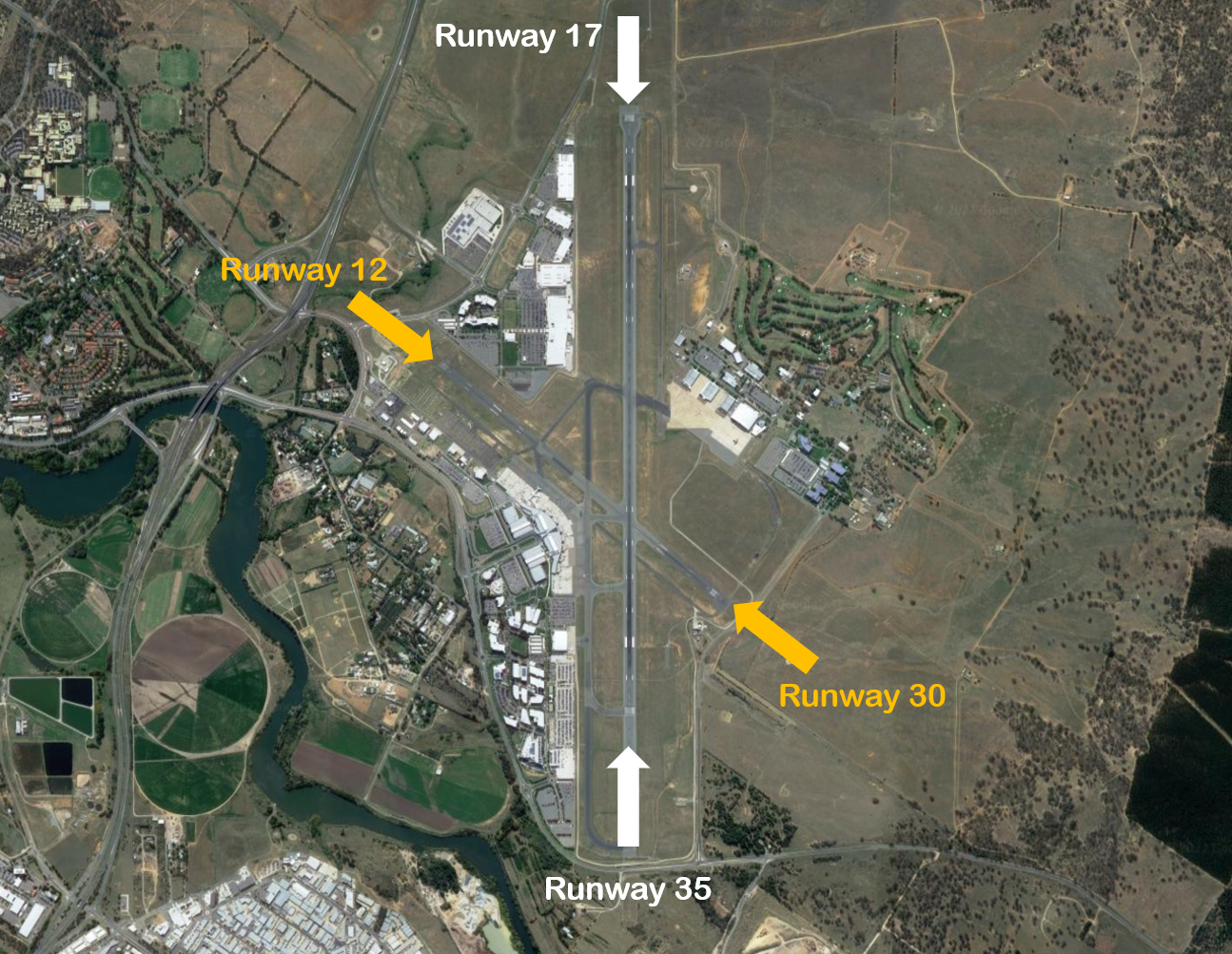
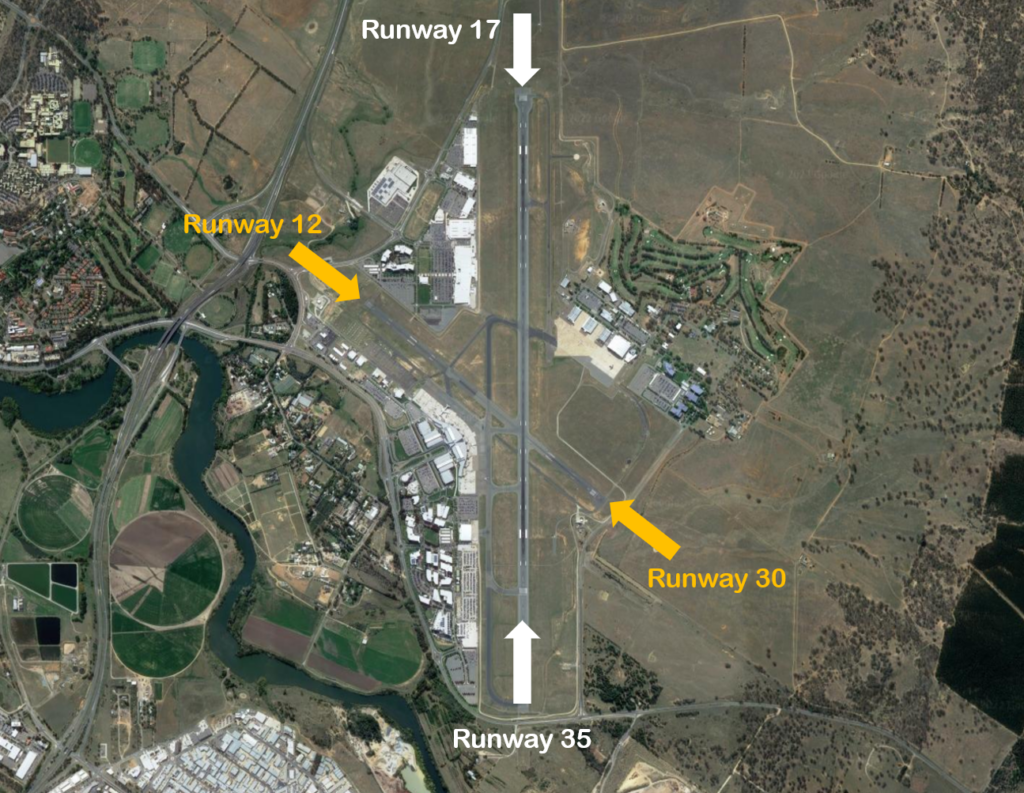
Canberra Airport has two runways; the main runway 17/35 (3.28 km long) is orientated north-south and is used for the majority of aircraft traffic. The shorter runway 12/30 (1.67km) is orientated east-west and is used mainly for propeller aircraft.

Each runway is referred to differently according to in which direction it is being used. For example the main runway is known as Runway 35 when used in a northerly direction and Runway 17 when used in a southerly direction. Runway numbering reflects the runways’ orientation and correlates with degrees on a compass. Runway 35 is 350 degrees.

An Instrument Landing System operates for aircraft landing on Runway 35, and Smart Tracking procedures are available for aircraft landing on Runways 35 and 17.

The following video explains how runways are named and used.

Runway selection and seasonal winds

Runway selection is based on wind direction, weather conditions, traffic volume and other factors. Aircraft primarily take-off and land into the wind for safety and performance reasons. Therefore, as the wind direction changes the runway in operation may also change depending on the strength of the wind.

This means that Canberra’s seasonal wind patterns affect usage of the different runway directions. The prevailing winds favour Runway 35 which is used more than 70 per cent of the time. Runway 17 tends to be used more frequently in the warmer months than at other times, but this does vary.

Noise abatement procedures

A noise abatement area applies to most residential areas of Canberra and Queanbeyan. Aircraft will normally be routed to avoid the noise abatement area, which covers most of Gungahlin, North Canberra, Belconnen, South Canberra, Woden, Tuggeranong and Queanbeyan. Where it is not practical for aircraft to remain clear of those areas, during overflight jet aircraft must not fly below 7 000 feet above ground level and large propeller aircraft not below 5 000 feet. Smaller propeller aircraft are permitted. A number of exceptions apply to the noise abatement areas such as aircraft emergencies, medical priority flights, avoidance of hazardous weather, missed approaches and operational requirements.

How many aircraft fly near me?

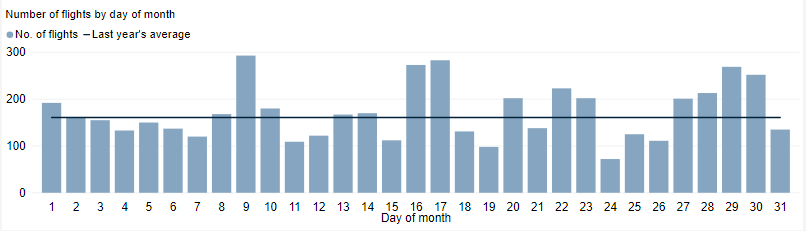
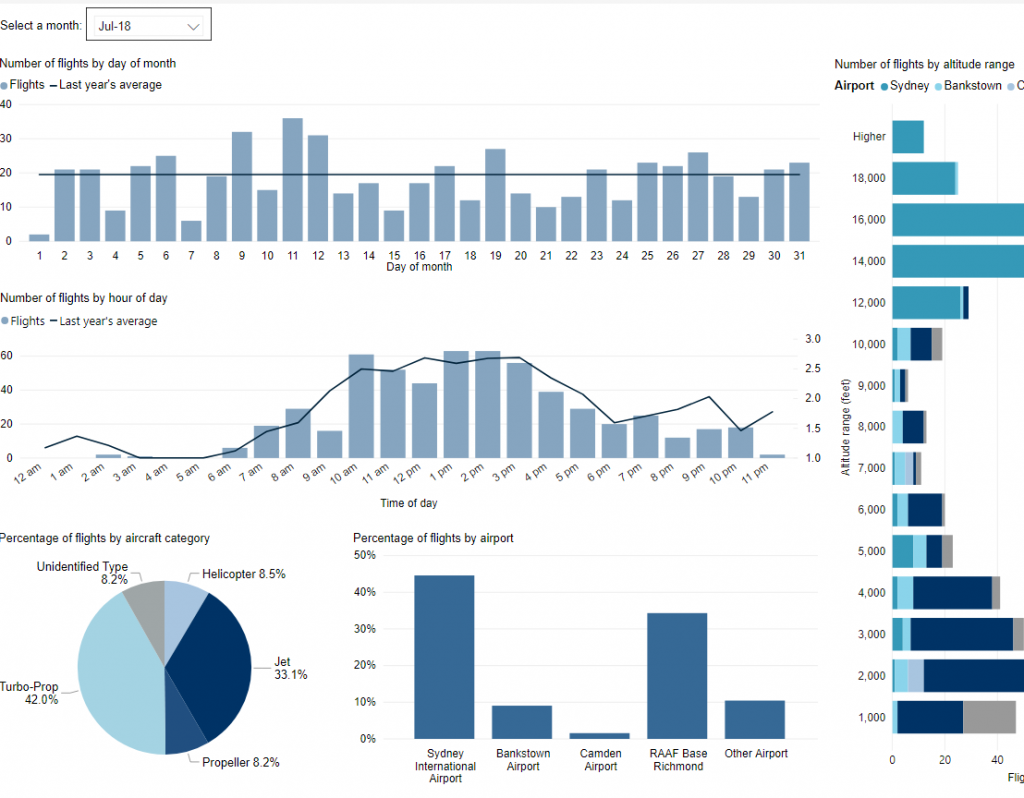
This tool shows the number of flights each day over your area in the selected month compared to the average for last year.  The bottom axis shows the day of the month. Use the drop-down menu to change the selected month to see how movements have varied. Hover over each day to see flight numbers.

*Please note due to technical issues between 19 June and 22 June 2024, flight data may not be accurately displayed. Our supplier is working to resolve the issue. We apologise for any inconvenience this may cause.

What was that flight?

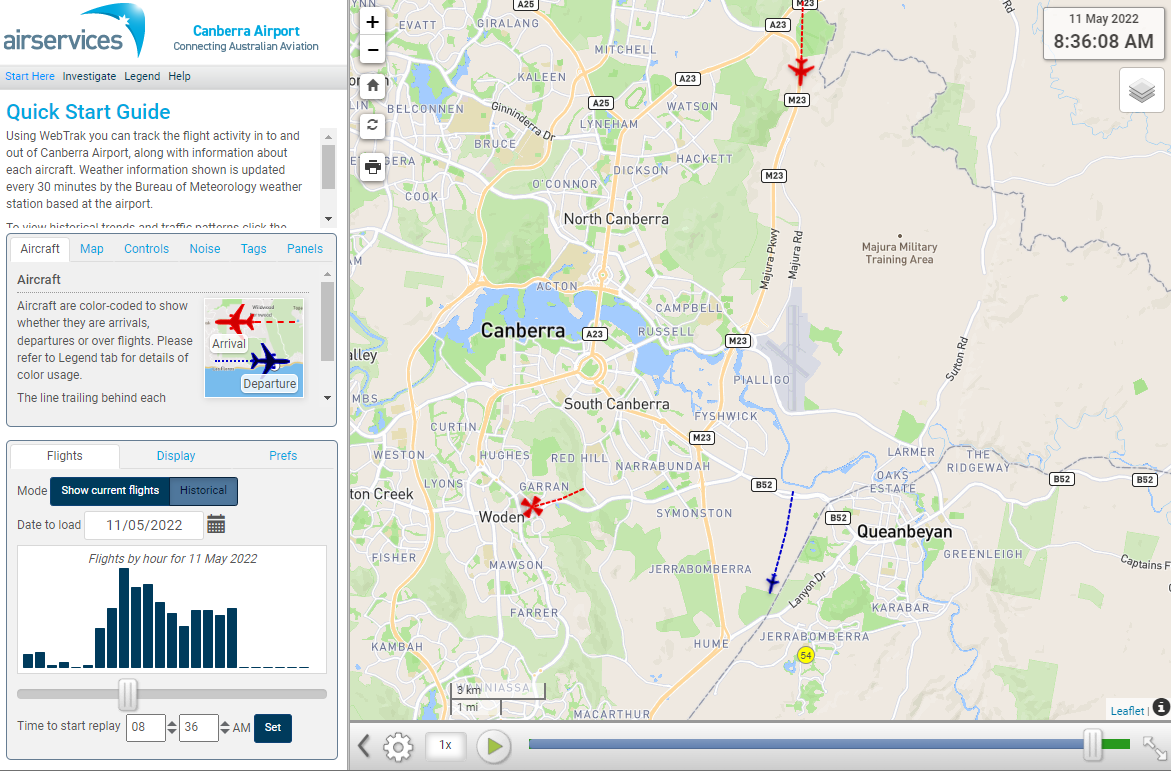
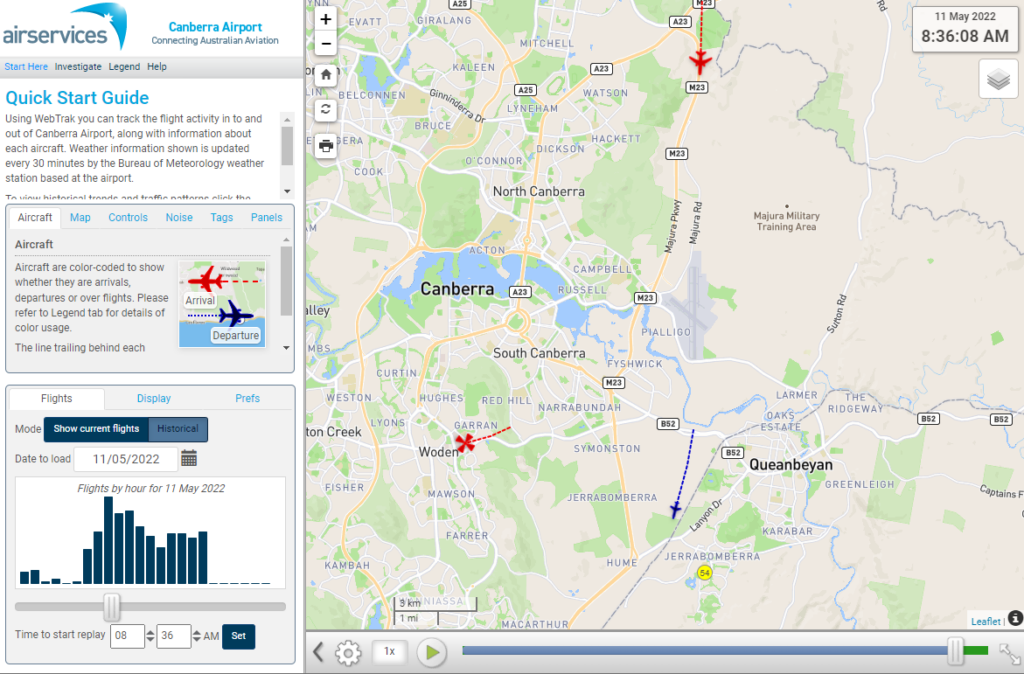
WebTrak is a tool that enables the community to see where aircraft fly and explore historical trends and patterns. WebTrak is provided by Envirosuite.

WebTrak uses information from air traffic control radars to display aircraft movements. The flight search and display function allows you to view aircraft flight activity over metropolitan areas. You can also:

  • locate your street address and have your home appear on the map
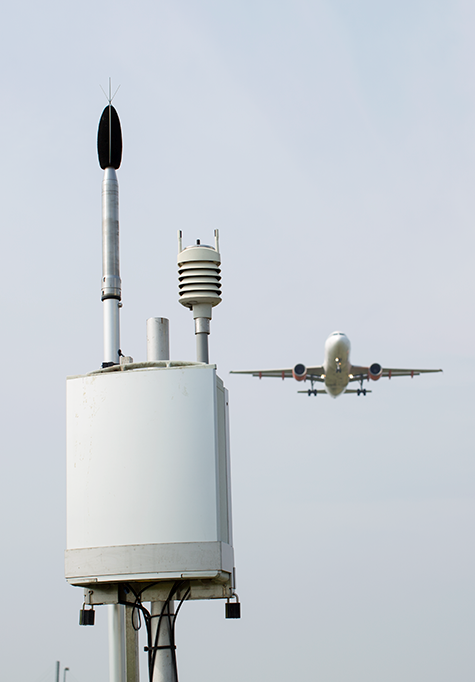
  • see noise levels of individual aircraft
  • view information about aircraft type, height, origin and destination
  • display an aircraft’s flight path and point of closest approach to your home
  • zoom in and out down to street level.

Note that there is a slight delay on the display of flights.

You can view WebTrak for your region here.

Or, find out more information about WebTrak and how to use it.

How frequent are flights in my area?

There are a number of factors that influence the frequency of flights.

Firstly, the number and frequency of flights will vary on a daily, weekly and yearly basis due to differences in airline schedules. The airlines schedule flights in response to consumer demand. This is particularly the case around Christmas, Easter, school holidays and Lunar New Year.

Secondly, the runway in use at any given time will also vary, largely due to the wind conditions. Each runway has its own set of flight paths, and each flight path will affect different areas. As the runway in use changes, the flight paths change, and so too do the areas affected by aircraft movements.

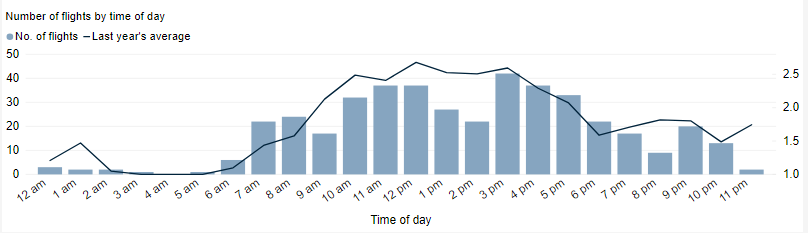
This chart shows the total number of flights each hour over the month, compared to the average for last year. Change the selected month to see how it has varied.

*Please note due to technical issues between 19 June and 22 June 2024, flight data may not be accurately displayed. Our supplier is working to resolve the issue. We apologise for any inconvenience this may cause.

How high are aircraft near me?

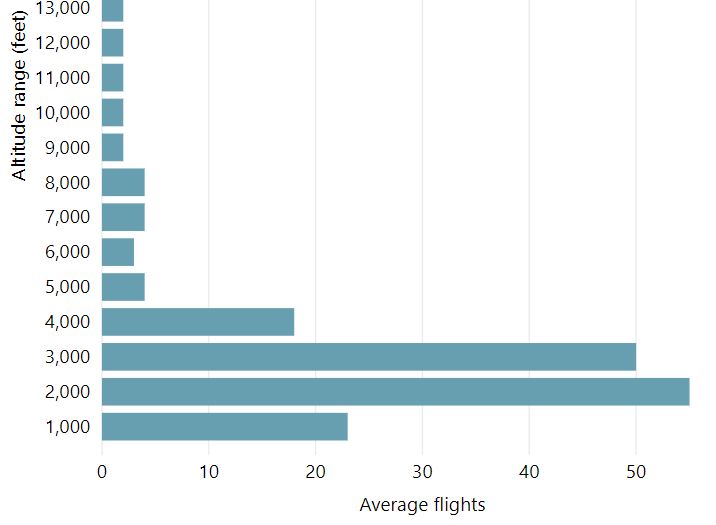
The altitudes of aircraft over your area can vary according to:

  • the airport the flight is coming from or going to
  • whether the aircraft is arriving, departing or in level flight
  • the specific requirements of the flight path
  • the need for air traffic control to maintain vertical separation between aircraft.

Find out more on our What are the rules about altitudes? page.

*Please note due to technical issues between 19 June and 22 June 2024, flight data may not be accurately displayed. Our supplier is working to resolve the issue. We apologise for any inconvenience this may cause.

Explore detailed data for your area

Use this interactive tool to explore detailed data for your area in the month of your choice.

This report is best viewed in full screen mode.

*Please note due to technical issues between 19 June and 22 June 2024, flight data may not be accurately displayed. Our supplier is working to resolve the issue. We apologise for any inconvenience this may cause.