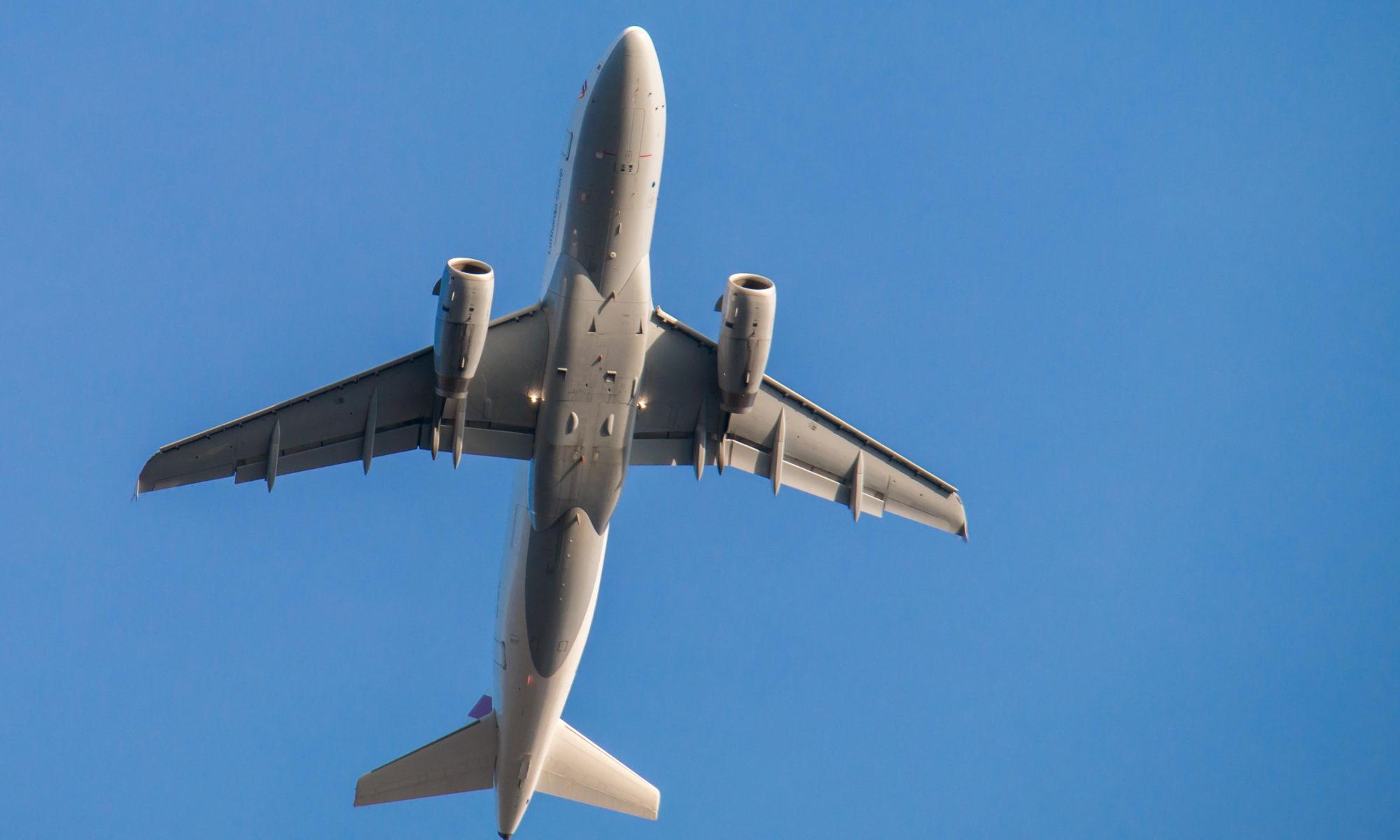
Unusual activity

We regularly receive calls about unusual or irregular aircraft activity or airport operations.

Aircraft may not fly on the published flight path for a number of reasons. You can learn more on our Do planes have to stay on flight paths? page.

Some other common reasons we are contacted are:

Circuit Training

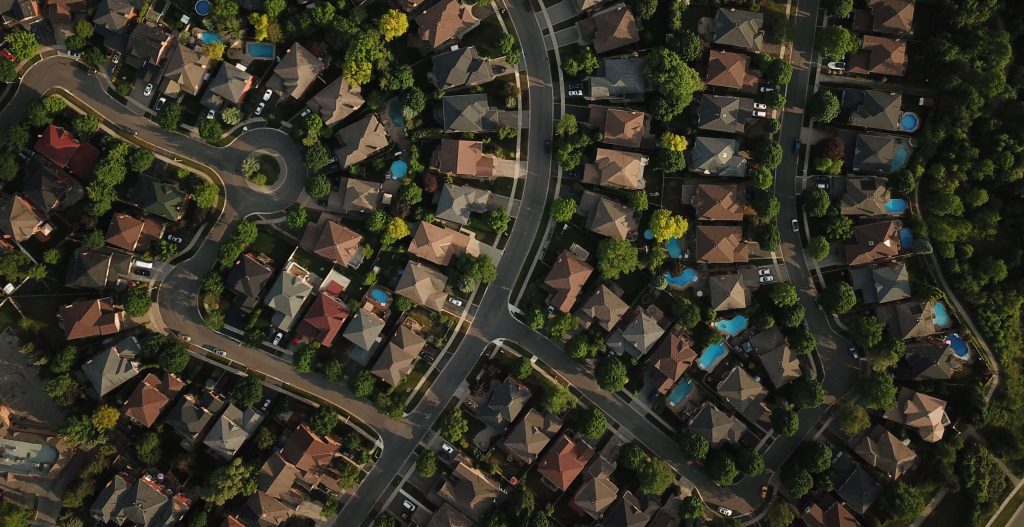
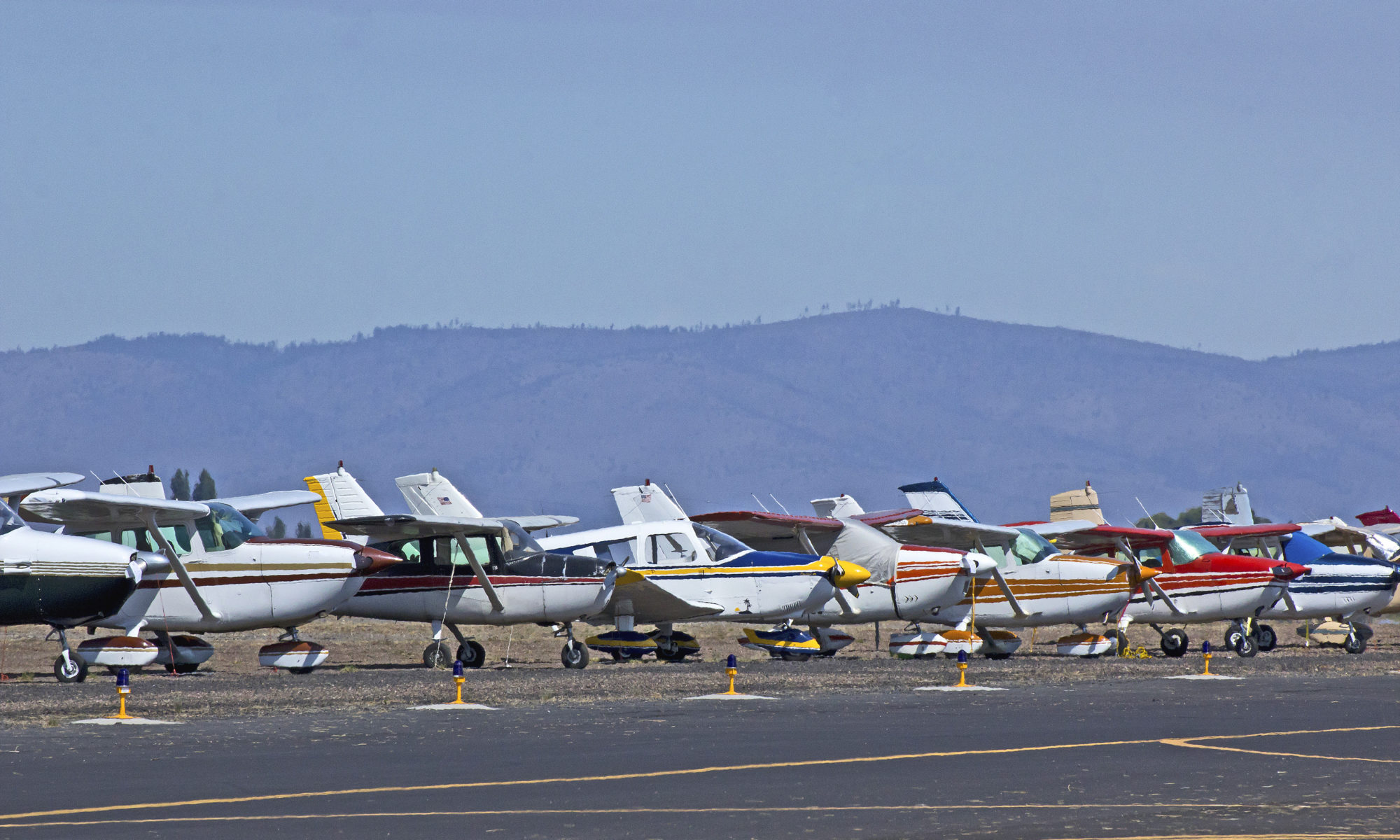
At major general aviation airports around the country including Bankstown (NSW), Archerfield (Qld), Moorabbin (Vic), Parafield (SA) and Jandakot (WA), flight training schools regularly conduct circuit training. Circuit training sees aircraft, usually small single engine propeller aircraft, fly over the surrounding suburbs at a height of approximately 1,000 ft (305 metres).

Low level flights

Occasionally, aircraft and helicopters fly at low levels for reasons including law enforcement, rescue and military operations, aerobatic or air show displays.

More information is available on our What are the rules about helicopters? page and What are the rules about altitudes? page.

Equipment testing & calibration

We are responsible for conducting regular flight calibration inspections on around 500 navigational aids nationwide.

This involves a specially-equipped aircraft conducting numerous ‘missed approaches’ to test and calibrate equipment usually at low level. In order to fully check the equipment several passes are required and the aircraft may remain in the area for an extended period of time.

Whilst we take measures to reduce the impact of these inspections, they are required to maintain safety of the entire aviation system and on occasion we may need to undertake these at sensitive times.

Smoke and flames from an airport

We regularly conduct training exercises around the country for aviation fire fighters which involve the creation of large amounts of smoke and flames. There may also be an unusually high number of emergency vehicle movements. The appearance of smoke and flames at an airport does not mean there has been an accident or that there is any concern for aircraft safety.
Useful documents and websites

Further information about aircraft operations

You can find a range of information on the Airservices website.

Accessing earlier noise and complaint information reports

Our interactive noise and complaint reports include data from 1 January 2017. Previous reports are available on request.

Understanding noise and annoyance – video

Everyone encounters sound every day. It is only when that sound causes an adverse effect on a listener, such as annoyance, does that sound become noise. Noise is not always just about how loud the sound is, there is a complex set of factors that drive annoyance both based upon the noise itself and what that noise means to us. Find out more by watching this video:

From the ATC archives – video

Take a look at how air traffic control and flight operations used to operate.

Introduction to aircraft noise

Although the terms noise and sound can be used interchangeably, noise is used to refer to an unwanted sound, while sound is the generic term used to refer to anything acoustic.

In the case of aircraft noise, the acoustic energy can pass through 500 metres to 10 kilometres (or more) of air to reach local communities. As a result an aircraft can sound very different depending on the distance between the community and the aircraft, be that at flying or on the ground at a nearby airport.

The following video explains how aircraft noise is generated and how the characteristics of sound from aircraft can vary depending on a range of factors, such as the height of the aircraft, the type of aircraft (jet/propeller), its speed and weather:

If you would like to read more about aircraft noise and how we monitor it, you can visit our aircraft noise webpage.

Typical FAQs

We have assembled a list of our commonly asked questions that are asked in most areas.

Why can aircraft fly at sensitive times?

Aviation is a vital industry for the Australian economy.  Business, tourism, social and freight activities rely on aviation. Unlike many other industries, aviation is regulated by the federal government rather than by state governments.  This makes aircraft noise regulation quite different from the type of noise regulation you are used to at a local level that might, for example, prohibit noisy activities before 8:00 am on a Sunday.

Major airports in Australia are situated very close to residential areas and for this reason it is not possible to design flight paths that avoid flying over homes.  In cities where the airport is located on the coast, flight paths will be designed to fly over water wherever possible. However because aircraft must take off and land into the wind, it is not always possible to avoid flying over residential suburbs by staying over water.

Aircraft noise remains a key challenge for an industry that is forecasting high levels of growth in air traffic movements over the next 20 years. Managing noise impacts on communities requires careful balance between the protection of affected residents and recognition of the broader economic and social contributions of the aviation activity.

Why can’t the flight paths be moved away from me?

Flight path design is a complex process.  Flight paths must comply with international design standards and Australian safety regulations.  Changes to flight paths may be made for a variety of reasons, including safety and noise management.  However, changes are not easy to make as changes to one flight path usually impact other flight paths. 

In considering any change, first of all we must have regard to safety – any change that could compromise safety cannot be progressed. Managing aircraft in a regular way and minimising complexities are central tenets of safety. We also consider the efficient operations of the airport and whether there would be an overall noise improvement for the community. We do not generally consider that moving noise from one part of the community to another is a noise improvement. In considering this we have to have regard to the entire flight path and the fact that moving it at one point may result in adverse effects many kilometres away. Unfortunately, the reality is that it is very difficult to identify flight path changes in metropolitan areas that can be made without moving the noise, or compromising safety or efficiency.

If a potential change is identified it must be environmentally assessed, the community, including potentially affected areas, the airlines and other stakeholders must be consulted and feedback from all must be considered. Finally, if the change is to go ahead, aeronautical documents for pilots must be produced and published and time allowed for crews and air traffic controllers to be trained in the new procedures. All these requirements mean that changes can take several years to make.

How runways are selected?

Weather, in particular wind speed and direction, is generally the main factor in determining which runways are in use at an airport, in which direction aircraft will take off and land and which flight paths are used.

At all times, the safe operation of aircraft will be the primary consideration.

Runway naming

Runways are named using a numbering system which reflects the runways’ orientation. The number, between 01 and 36, correlates to the degrees on a compass, for example:

  • A runway numbed 09 points east at 90 degrees
  • A runway numbered 27 points west at 270 degrees.

Some airports will have additional runways side-by-side, in this case the letters, left, right and even center are used to differentiate the different runways.

Runway use

Runways can be used in both directions and a runway will have a different name to refer to each end. In the above example the runway runs east-west, with runway 09 pointing east and 27 pointing west.

How can I find out more?

You can read more in our factsheet, available here.

How is airspace used?

Each year we manage domestic and international air traffic operations for over 140 million passengers on more than four million aircraft movements in a region covering 11 per cent of the world’s surface. The following video shows what 24 hours of operations looks like:

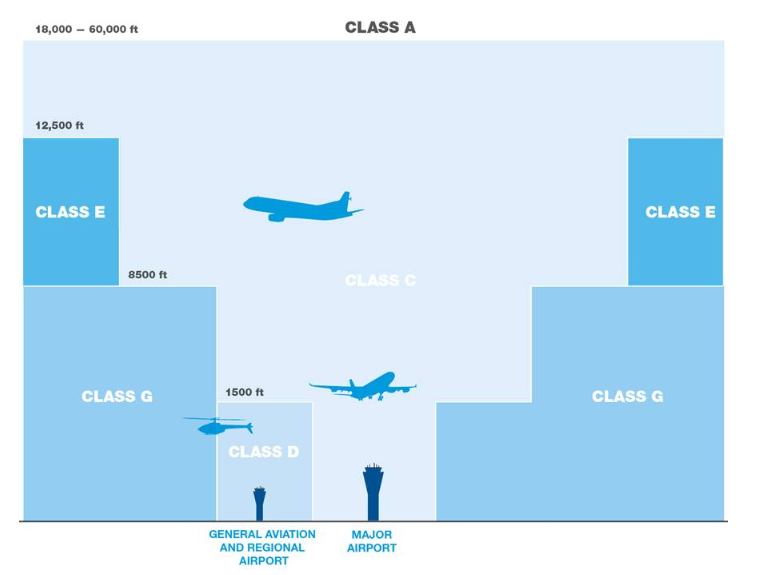
Controlled and uncontrolled airspace

Airspace is designated as either:

  • Controlled airspace which is actively managed by air traffic controllers and is broken up into a number of different classes or classifications. To enter controlled airspace, an aircraft must first gain a clearance from air traffic control.
  • Uncontrolled airspace which requires no clearance (or supervision by air traffic control) to operate. The large majority of light aircraft and helicopters operate outside or underneath controlled airspace (for example, aircraft that operate at low levels over Sydney Harbour).

Terminal Airspace

Terminal airspace is the controlled airspace surrounding a major airport, generally within a 30–50 nautical miles (55–90 kilometres) radius. In the case of some major airports, this airspace extends from ground level up to 18,000 feet (approximately 6,000 metres).

As the distance from the airport increases, the lower boundary of this airspace rises in steps, enabling other airspace users (such as gliders and balloons) to operate outside terminal airspace without requiring an air traffic clearance.

Restricted Airspace & No fly zones

In restricted airspace, aircraft movements are restricted in accordance with certain specified permissions. Examples of restricted airspace include airspace around military installations and high density flying operations at an air show or other large public event.

Restricted airspace may be imposed by police for safety or security reasons in the vicinity of bushfires or major crime scenes. Decisions on restricted airspace are made by the Civil Aviation Safety Authority.

No-fly zones are similar to restricted airspace but are imposed and enforced by the military (usually the Royal Australian Air Force). No-fly zones will often be established around military exercises, heads of government meetings and major events such as the Olympic or Commonwealth Games. Airservices has no authority or control over no-fly zones.

Find out more

Read more about our operations in our Guide to our operations booklet.

Why does the amount of light aircraft and helicopter traffic vary?

The amount of light aircraft and helicopters flying at any given time will vary.

Weather

Helicopters and light aircraft often fly Visual Flight Rules (VFR) where the pilot uses visual references to the ground or water and does not fly on a set flight path. This means that when the weather is poor, for example when low cloud or fog hampers visibility, these aircraft cannot fly and you will notice a significant drop in the amount of this type of traffic.

Weekends and holidays

Pilots who fly solely for their own recreation generally have weekday jobs and therefore will fly on weekends and holidays when the weather is good. This can contribute to an increase in light aircraft traffic on weekends and some holiday periods.

Time of day

As most recreational pilots are not licenced to fly at night, recreational traffic generally ceases at sunset.

Flying courses

Flying courses have a number of different stages in which students cover theory, then begin circuit training and then progress to flying to training areas and other locations with their instructor. Some courses include night flying training. As students progress through these different stages you may notice variation in the frequency and/or location of light aircraft and helicopter traffic. During periods in-between courses, or during holiday breaks within courses, you may notice a drop in traffic.

Making an aircraft noise complaint

At Airservices, we regard the safety of air navigation as the most important consideration and as far as practicable we work to protect the community and environment from the effects of aircraft operations, including aircraft noise.

We manage complaints and enquiries about aircraft operations and Airservices Australia’s community engagement activities through our Noise Complaints and Information Service (NCIS). We use complaints and enquiries to help us identify operations of concern and possible opportunities for improvement.

When you contact us, please provide your contact details and as much information about your complaint or enquiry as possible.

You may choose to remain anonymous on the webform, or when calling or writing to us. To receive a response, we require some details including your suburb or location to identify the operations you are enquiring about and an email address to send the response to. By providing your details, we may also send you updates on relevant flight path changes and other Airservices activities in your area.

We will not respond to any submissions that contain threatening, abusive, discriminatory, racist, offensive, obscene, vulgar, profane and inflammatory language. Threatening or unlawful comments may be reported to the relevant state and federal authorities.

If you feel negatively impacted by aircraft noise, you could consider reaching out to one of the following support services:

  • Lifeline 24 hr Counselling Service: 13 11 14
  • Beyond Blue: 1300 224 636

Airservices Australia has extended our Employee Assistance Program to any community member who is feeling negatively affected by aircraft noise. This is a confidential service, free of charge to community members, and is provided completely independently of Airservices Australia. All personal details will be kept confidential. More information is available here or you can call 1300 687 327. If requested, please use “organisation code” AIRSUPPORT and if asked for a “division” please use Community Support.

Phone

1800 802 584 (freecall), 10am – 4pm (Sydney time), Mon – Fri (excluding public holidays)

Post

Noise Complaints and Information Service, PO Box 211, Mascot NSW 1460

Interpreter assistance

If you need assistance, please contact the Telephone Interpreter Service (TIS) on 131 450.

TIS is a free service that provides access to a telephone interpreter in many different languages.

Other Complaints

NCIS is the Australian aviation industry’s main interface on aircraft noise and related issues for the community. If you have a complaint that does not relate to aircraft noise, visit the Australian Government’s Aviation Complaints website to find the right place to direct your complaint.

How much noise are aircraft allowed to make?

In Australia, aircraft noise standards apply before an aircraft is allowed to operate here, rather than in the course of its day-to-day flying activities.

Before an aircraft begins operating in Australia it is required to meet international noise standards that specify the amount of noise that may be emitted by that type or model of aircraft. If an aircraft does not pass the certification process, it may not fly in Australia. However once an aircraft passes this certification process, there is no legislation or regulation that enables any agency, including Airservices, to police its noise levels.

There is no regulated maximum noise level for aircraft flying over residential areas. Without any maximum level set out in legislation or regulation, there is no objective measure to determine whether any aircraft flying in Australia is “too noisy”, or whether the combined load of aircraft experienced by a community is “too much” noise.

More information about Aircraft Noise Regulations is available on the Department of Infrastructure, Transport, Regional Development and Communications website.

Controlled and uncontrolled airspace

There are two types of airspace — controlled and uncontrolled.

Controlled airspace

Airservices air traffic controllers manage controlled airspace. To enter controlled airspace, an aircraft must first gain a clearance from air traffic control. In controlled airspace all aircraft must have continual radio contact with air traffic control and submit a flight plan detailing the route and height they will fly. Some emergency operations do not have to submit a flight plan, due to the urgency of their flights.

Uncontrolled airspace

All other airspace is uncontrolled. No clearance is required to operate in uncontrolled airspace and there is no supervision by air traffic control. Pilots operating in uncontrolled airspace must still comply with aviation regulations. However, they do not need to submit a flight plan and they may only have partial radio contact. The large majority of light aircraft and helicopters operate mostly in uncontrolled airspace.

Find out more

Learn more about classes of Australia airspace